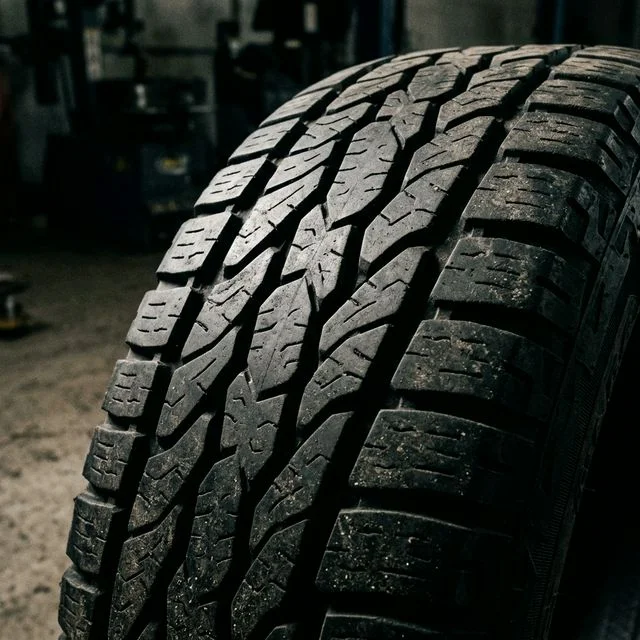








Your tyres are the only part of your car that ever touches the road. They influence everything from braking and steering to fuel economy and overall safety. Yet for many UK drivers, tyres aren't something they think about until a warning light appears on the dashboard or a tyre suddenly blows out.
So how often should you actually change your car tyres?
It isn't simply a question of age. How long your tyres last depends on how much you drive, how you drive, the road conditions you face, how well the tyres are maintained, and even the weather. In this guide we'll look at how long tyres are likely to last, the signs that you need a replacement, and how regular inspections keep you safe — and save you a few quid along the way.
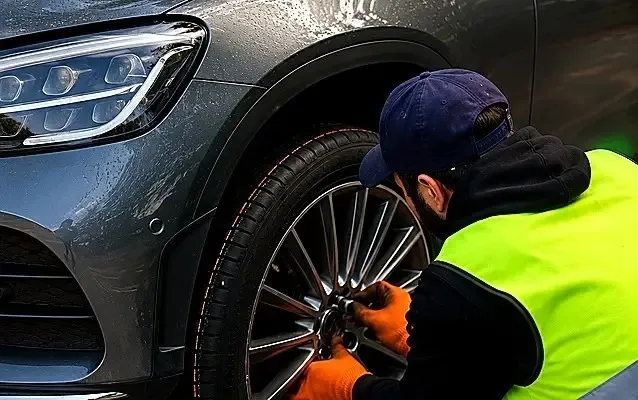
How Long Do Tyres Last on a Car on Average?
Tyres don't come with a fixed replacement schedule. As a general rule, the average car tyre lasts somewhere between 20,000 and 40,000 miles. Proper maintenance can push some premium tyres further still.
Drivers who spend most of their time on the motorway typically see less wear than those stuck in stop-start city traffic, where constant braking and acceleration eats into the tread far quicker.
So don't just watch the odometer. Make a habit of checking your tyres for wear or damage on a regular basis — it takes two minutes and tells you far more than mileage alone. If you already know a replacement is due, our tyre finder will show you which sizes fit your vehicle.
What Factors Influence the Life of Your Tyres?
Several factors decide how long your tyres stay safe and effective.
1. Driving Style
Tyre wear increases sharply with hard braking, aggressive acceleration and high-speed cornering. Drive a little more gently and your tyres will last considerably longer.
2. Road Conditions
Poor road surfaces damage tyres quickly. Potholes and badly maintained roads can cause sidewall damage or knock your wheels out of alignment in a single impact.
3. Tyre Pressure
Incorrect tyre pressure is one of the most common causes of premature wear. Over-inflated tyres wear through the centre of the tread, while under-inflated tyres wear at the shoulders and create more rolling resistance — costing you fuel too. Check your pressures at least once a month.
4. Wheel Alignment
Incorrect wheel alignment leads to uneven tyre wear. If your steering wheel isn't centred or the car pulls to one side, it's worth getting the alignment checked. Pairing this with regular precision wheel balancing keeps wear even across all four corners.
5. Load and Towing
Carrying heavy loads — particularly on a regular basis — puts extra strain on your tyres and shortens their life. The same applies to trailers and caravans, which is why we also offer dedicated trailer tyre fitting.

Does Tyre Age Matter, Even With Plenty of Tread?
Yes — even tyres with plenty of tread remaining will eventually need replacing. Rubber hardens naturally over time, which reduces grip and increases the chance of cracking in the sidewall and tread grooves.
Depending on overall condition, many manufacturers suggest tyres should be professionally checked once they reach around five years old. Low-mileage cars are particularly affected: the tyres may look nearly new, but they're still ageing. If you're unsure how old your tyres are, a proper inspection will give you peace of mind.
How to Inspect Your Tyres at Home
A basic tyre check requires no special equipment. Walk around your car and look for:
- Uneven tread wear — more wear on one edge usually points to alignment or pressure problems
- Cracked or perished rubber in the sidewall and between the tread blocks
- Bulges or blisters in the sidewall — these indicate internal damage and are urgent
- Nails, screws or other sharp objects embedded in the tread
- Cuts and splits anywhere on the tyre surface
- Shallow tread depth or debris lodged in the grooves
Any of these signs should be professionally inspected as soon as possible. If you spot an object lodged in the tread, don't pull it out — book a puncture repair and read our guide on when a mobile tyre fitter can fix a puncture versus when a replacement is required.
Legal Tread Depth in the United Kingdom
In the UK the minimum legal tread depth is 1.6mm across the central three quarters of the tyre, around its entire circumference.
It is an offence to drive on tyres below this limit. You could face a fine and penalty points per tyre, alongside significantly longer stopping distances.
Many safety organisations recommend replacing tyres before they reach the legal minimum — commonly at around 3mm — particularly if you regularly drive in wet weather. The more tread you have, the better the grip and the shorter your braking distance.
| Tread Depth | Status | What to Do |
|---|---|---|
| 8mm – 4mm | Healthy | Keep checking pressures monthly |
| 3mm | Start planning | Wet braking performance drops noticeably |
| 2mm | Replace soon | Book a replacement before it becomes illegal |
| Below 1.6mm | Illegal & unsafe | Replace immediately — do not drive on it |
Signs It's Time to Replace Your Tyres
Tyres usually give you plenty of warning before they become genuinely unsafe. Watch out for:
- Tread depth at or below the 1.6mm legal limit
- Cracked, perished or hardened rubber
- A bulge or blister in the sidewall
- Increased vibration or road noise while driving
- Uneven wear across the tyre or between tyres
- Tyre pressure that drops repeatedly between checks
- Noticeably reduced grip in the wet
Ignoring these signs can lead to a flat tyre or a full tyre failure at speed. If the worst does happen, our 24/7 emergency tyre fitting service can reach you at the roadside — read our guide on what to do when you get a flat tyre for the safety steps to follow first.
Why You Shouldn't Delay Changing Worn Tyres
Stretching a set of tyres a few thousand miles further can look like a money-saving move, but it usually costs far more in the long run. Worn tyres:
- Increase your stopping distance, especially in the wet
- Reduce steering response and overall control
- Raise the risk of aquaplaning on standing water
- Lower fuel efficiency through higher rolling resistance
- Are far more likely to puncture or blow out
- Put you, your passengers and other road users at risk
Changing your tyres at the right time protects you and everyone else on the road — and it's almost always cheaper than the alternative.
Can I Have My Tyres Fitted at Home?
Absolutely. The biggest advantage of a mobile tyre fitting service is convenience. Rather than driving to a garage and waiting around in a reception area, a professional technician comes to your home, workplace, or wherever your car happens to be.
On arrival, your technician will:
Inspect Your Tyres
A full check of tread depth, sidewalls and pressures across all four wheels.
Recommend Replacements
Suitable tyre options for your vehicle, budget and typical driving.
Fit & Balance
New tyres fitted, balanced and torqued to manufacturer specification on-site.
Dispose of Old Tyres
Your worn tyres are taken away and recycled responsibly — nothing left behind.
It saves a considerable amount of time and gets your car back to being safe to drive without disrupting your day. Curious how long it actually takes? See our guide to how long mobile tyre fitting takes, or compare your options in mobile tyre fitting vs garage fitting.
Why Choose Mobile Tyre Champions?
At Mobile Tyre Champions, we know that changing tyres isn't always the simplest job to fit into a busy week. That's exactly what our mobile service is for — our experienced technicians come to you, anywhere across our coverage areas.
What we offer:
- Professional tyre inspections and honest advice
- Quality tyres from trusted manufacturers
- Convenient fitting at home or at work
- Locking wheel nut removal if your key has gone missing
- A safe, reliable service backed by proper equipment
We're happy to replace just one tyre or all four, so you can get back on the road with confidence. We serve drivers across Surrey, Hampshire, Berkshire and London.
Frequently Asked Questions
How long do tyres last?
Most car tyres last between 20,000 and 40,000 miles, but mileage is only part of the picture. Tyres should be checked regularly as they age, and many manufacturers recommend extra vigilance once they reach around five years old.
Do tyres go off even with loads of tread left?
Yes. Rubber is a natural product and it ages. Older tyres can be less effective and more prone to cracking even when the tread still looks perfectly healthy.
What is the legal tyre tread depth in the UK?
1.6mm across the central three quarters of the tyre, around its full circumference. Driving below this is an offence and can result in a fine and penalty points for each tyre affected.
Do I need to replace all four tyres at the same time?
Not necessarily. If only one or two tyres need changing, a technician can advise the safest option for your vehicle based on the condition of the remaining tyres and your car's drivetrain.
Can a mobile tyre fitter fit my tyres at my workplace?
Yes. Mobile tyre fitting services will come to your workplace, home or another suitable location to inspect and fit your tyres while you carry on with your day.
Final Thoughts
Knowing when to change your tyres is one of the easiest ways to stay safer, drive better and feel more at ease behind the wheel. Mileage and age are useful clues, but routine inspections are the best way to catch problems before they become serious.
Not sure what condition your tyres are in? Don't wait for a warning light or a puncture to leave you stranded. A professional inspection will tell you whether your tyres are still good or whether it's time for new ones.
Ready to book? Use our tyre finder to check sizes for your vehicle, head straight to our booking page, or get in touch with our team— in most cases you won't have to leave your home or workplace at all.